Sunrise Tour
Save 17%
Create a free account to save your favourite adventures and plan your dream trek.
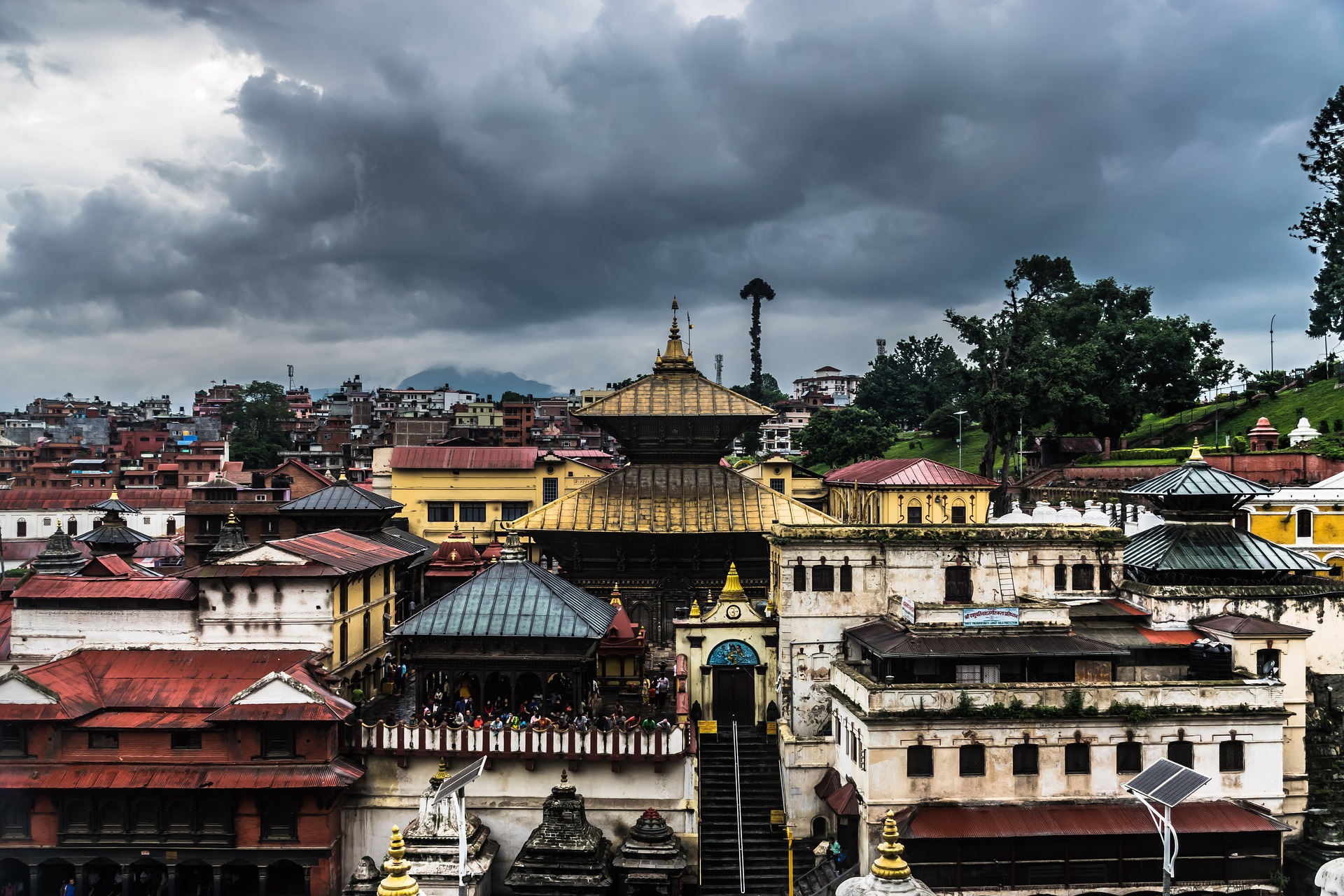
Nepal's capital at 1,400m elevation, home to seven UNESCO World Heritage Sites, ancient durbar squares, living goddesses, and the spiritual heart of both Hinduism and Buddhism in the Himalayas.
Kathmandu is the vibrant capital and the largest city of Nepal. Situated at an altitude of approximately 1,400 meters (4,600 ft.) above sea level, Kathmandu is the center of Nepal's history, art, culture, and economy.
The Kathmandu Valley contains seven UNESCO World Heritage Cultural Heritage Sites — Pashupatinath Temple, Boudhanath Stupa, Swayambhunath (Monkey Temple), Durbar Squares of Kathmandu, Patan, and Bhaktapur, and the Changu Narayan Temple. These ancient monuments reflect the unique blend of Hindu and Buddhist traditions that have flourished in this valley for over 2,000 years.
As the gateway to Nepal, Kathmandu serves as the starting point for most trekking expeditions, mountain climbing adventures, and cultural tours in the country.
Pashupatinath Temple - One of the most important Hindu temples in the world
Boudhanath Stupa - One of the largest stupas in the world
Swayambhunath (Monkey Temple) - Ancient religious complex on a hilltop
Kathmandu Durbar Square - Historic palace complex with intricate woodcarvings
Thamel - The vibrant tourist hub with restaurants, shops, and adventure outfitters
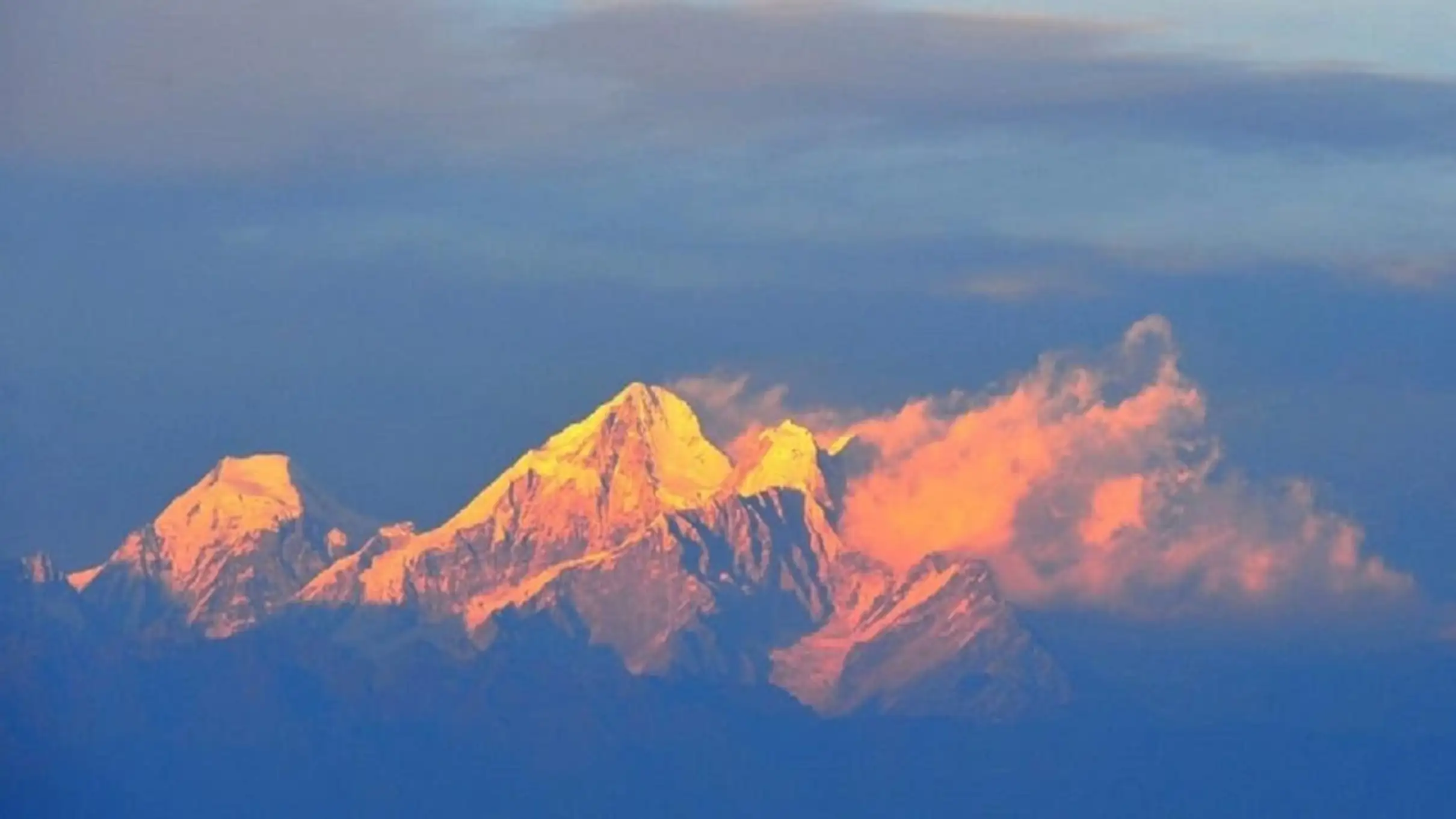
Nagarkot - Panoramic sunrise viewpoint near Kathmandu
March – May
Warmer weather and blooming rhododendrons. It's busier, but the trails are vibrant with color and energy.
October – November
Crystal clear skies offering the best mountain views. Temperatures are cooler, especially at night, but visibility is unmatched.
View our 4 curated packages starting at just $49.
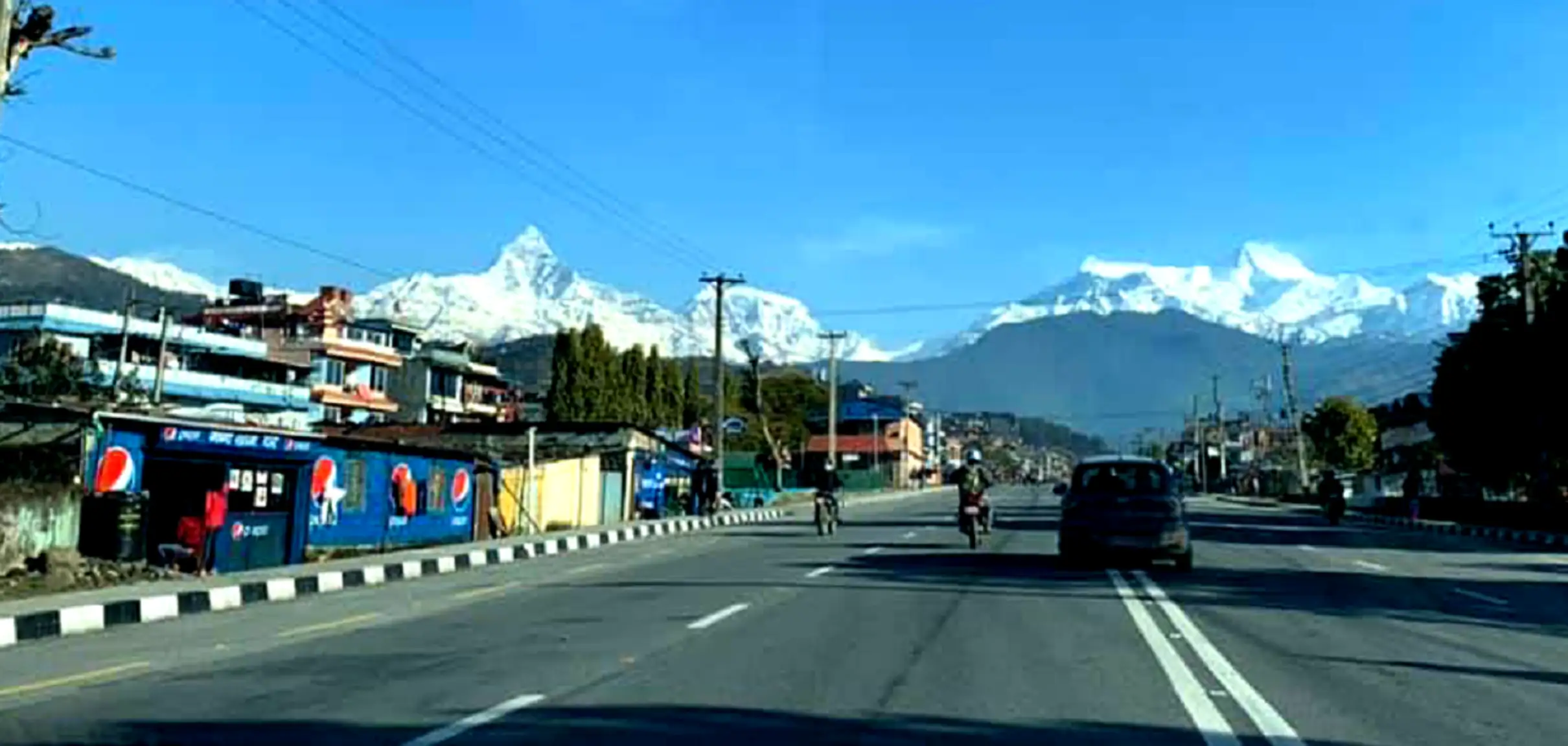
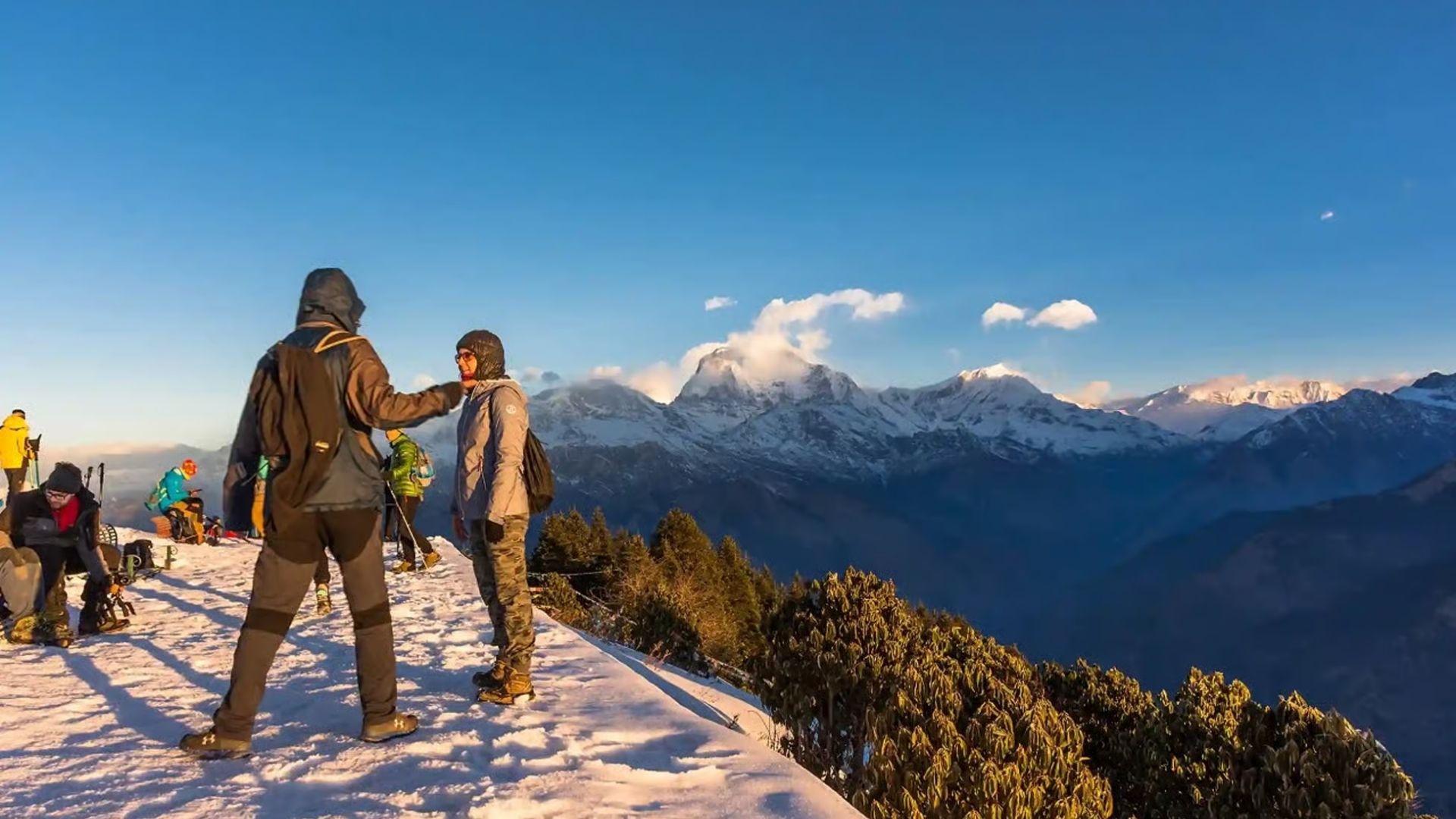
The best time to visit Nepal is during the autumn season (September to November) and spring season (March to May). These months offer clear skies, moderate temperatures, and excellent visibility of the mountains.
Autumn is considered the peak trekking season with stable weather and spectacular views. Spring brings blooming rhododendrons and warmer temperatures.
For most of our treks, no prior experience is required, though a good level of fitness is essential. Treks like Everest Base Camp and Annapurna Circuit are challenging but suitable for fit beginners.
For more technical routes or expeditions, previous trekking experience at altitude is recommended. Contact us to discuss your fitness level and find the right trek for you.
You can book directly through our website by selecting your preferred package and clicking "Request to Book". We'll confirm availability and send you a detailed itinerary and payment instructions.
Alternatively, you can email us at info@snowpeaktour.com or use our contact form. We typically respond within 24 hours.
Most nationalities can obtain a visa on arrival at Tribhuvan International Airport or land border crossings. Visa fees vary based on duration: 15 days ($30), 30 days ($50), 90 days ($125).
Indian nationals do not require a visa but need a valid passport or voter ID.
Recommended vaccinations include Hepatitis A & B, Typhoid, Tetanus, and Polio boosters. Japanese Encephalitis may be recommended if visiting Terai regions.
Consult your doctor or a travel health clinic at least 6 weeks before departure. Malaria prophylaxis may be recommended for certain areas.
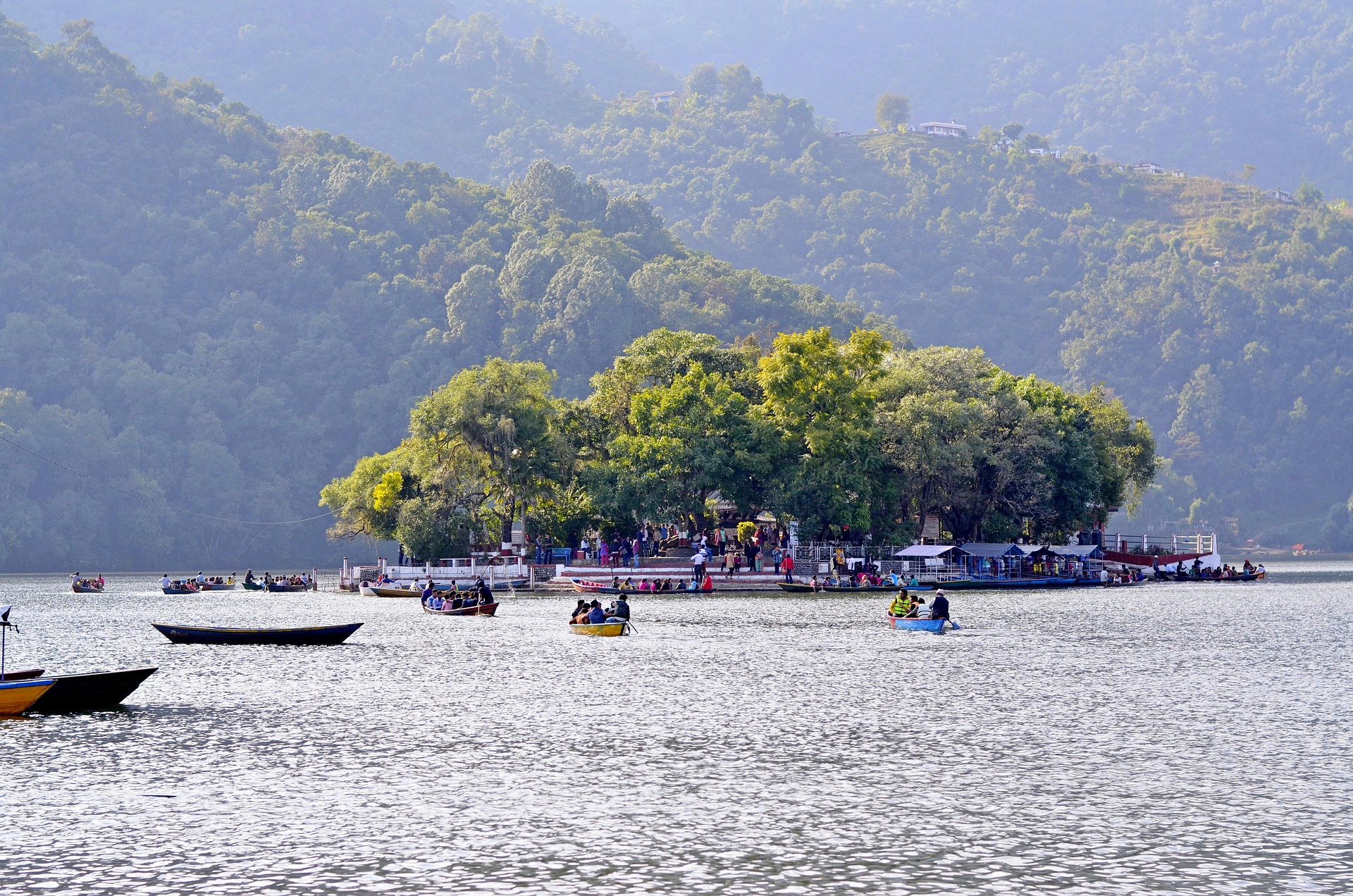
Known as the City of Lakes, Pokhara is Nepal's adventure capital nestled in the Himalayas, gateway to the Annapurna range with stunning Phewa Lake and the iconic Sarangkot viewpoint.
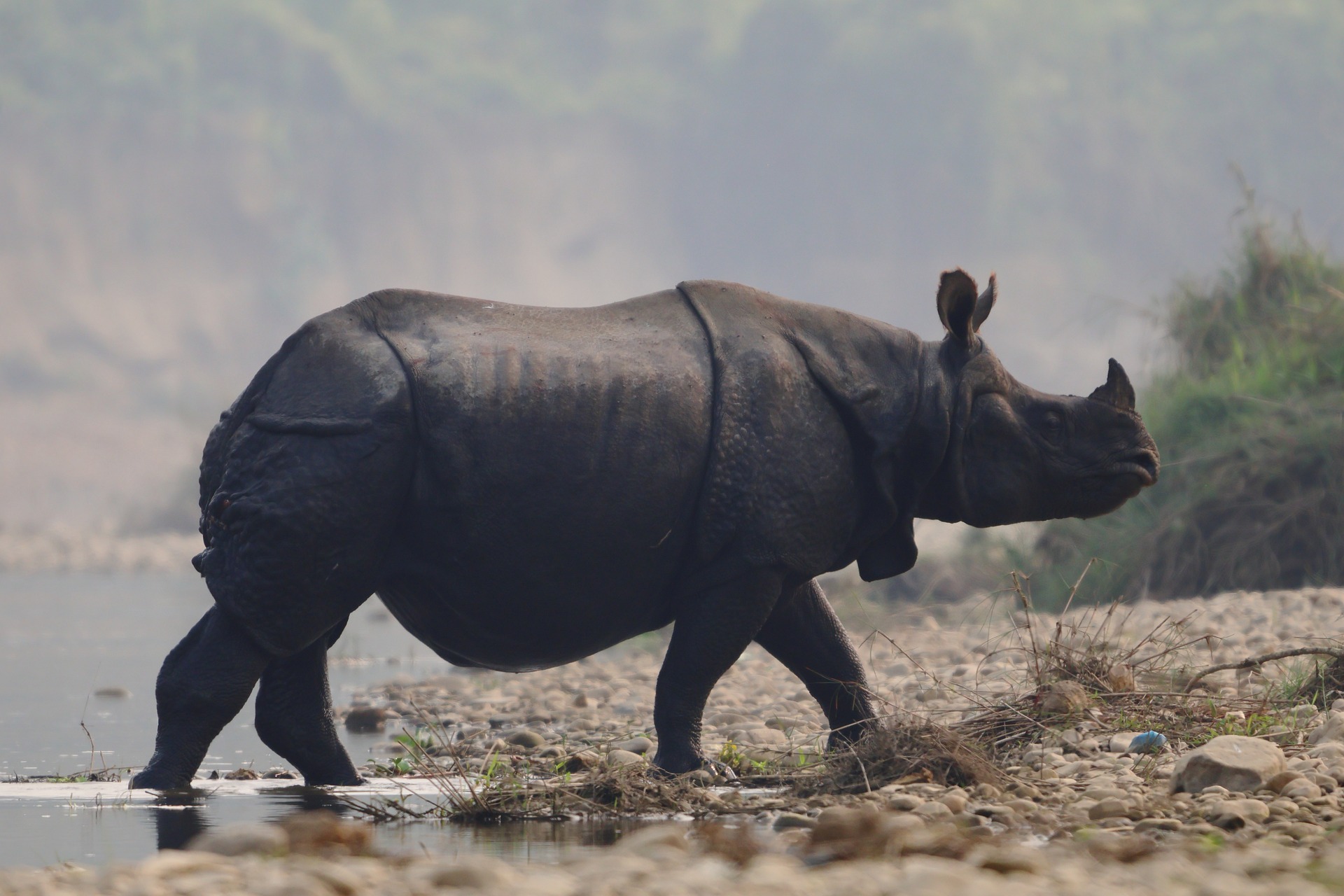
A UNESCO World Heritage jungle district famous for Chitwan National Park, home to one-horned rhinos, Bengal tigers, elephants, and rich Tharu cultural heritage along the Rapti River.
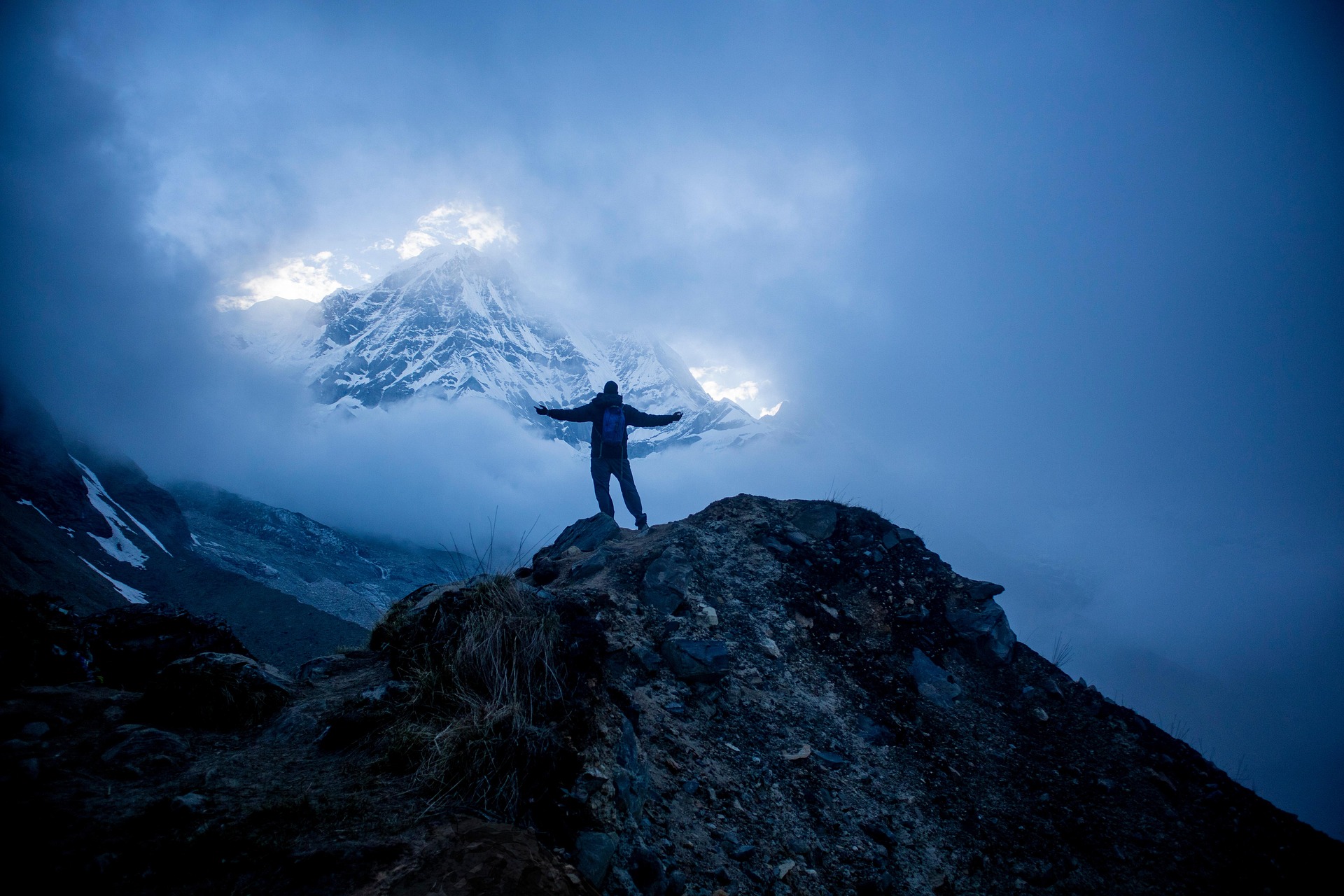
A pristine mountain amphitheater at 4,130m surrounded by towering Himalayan peaks including Annapurna I, Hiunchuli, and Machhapuchhre — one of the most iconic trekking destinations in Nepal.
We value your privacy
We use cookies to enhance your browsing experience, remember your preferences, and analyze site traffic. By clicking "Accept", you agree to our use of cookies.